Welcome to Teaching Students with Visual Impairments
|
Individual Schedules & Communication SystemBy: Carmen Willings
teachingvisuallyimpaired.com Updated May 27, 2024 When choosing a communication system for a student with visual impairments, several factors should be considered to ensure that it aligns with the student’s individual needs and abilities:
Before transitioning from objects to pictures or symbols, it is important to ensure the student can understand picture representations. Use the following systematic steps designed by Tricia Noe, to assess a student's ability to use pictures.
By following this structured approach, you can systematically assess the student's ability to visually discriminate between preferred and non-preferred objects, providing valuable insights into their preferences and visual processing abilities. 
Tricia Noe, a Teacher of Students with Visual Impairments with over 35 years experience working with students who are blind or visually impaired with multiple disabilities and former colleague of mine has developed a process for determining the appropriateness of picture use with students. You are welcome to print the instructional sheet Titled "Evaluation of Picture Use for Students who are Visually Impaired and Nonverbal" or "The Noe Method".
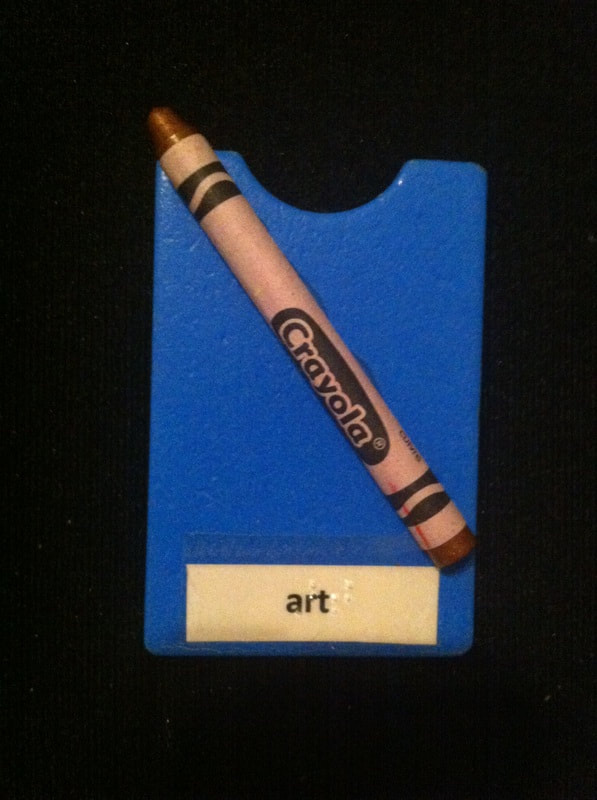
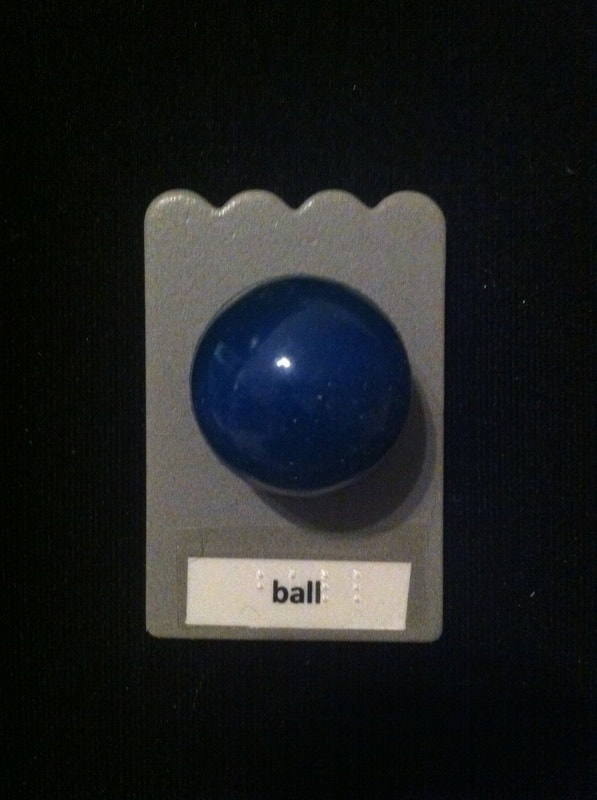
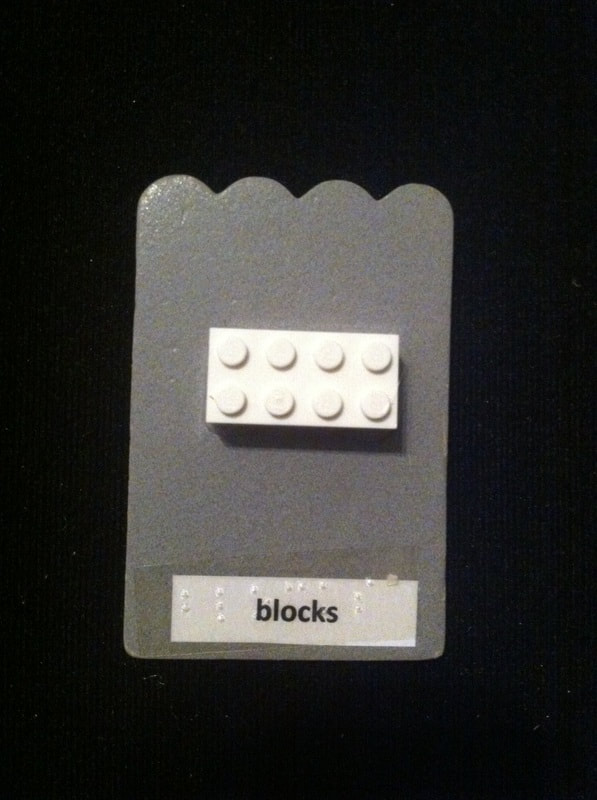
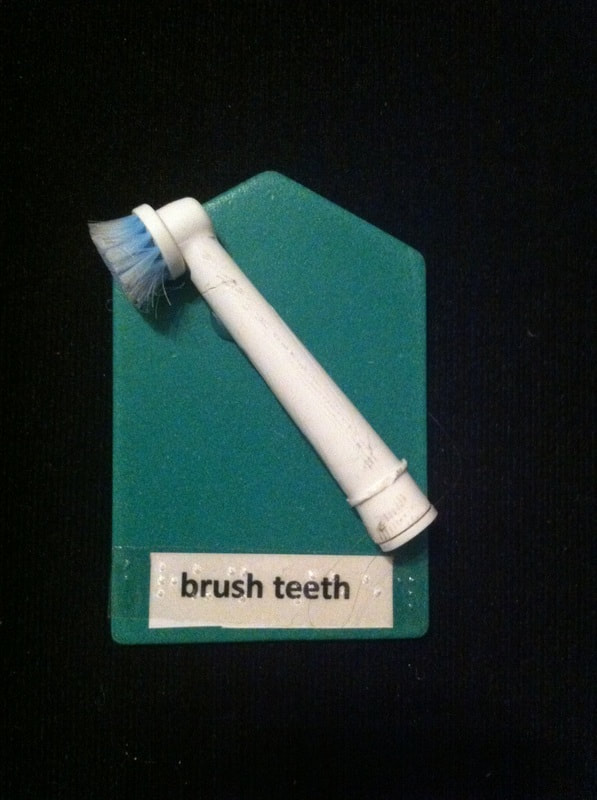
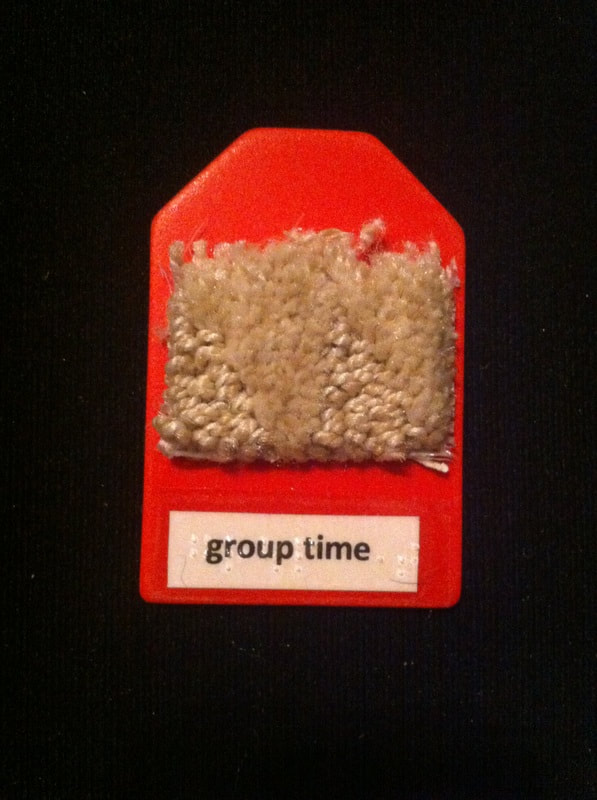
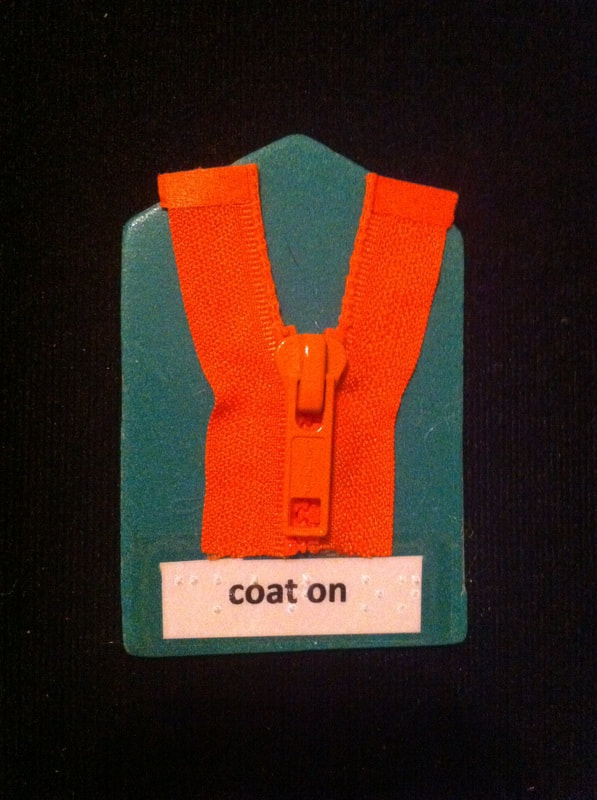
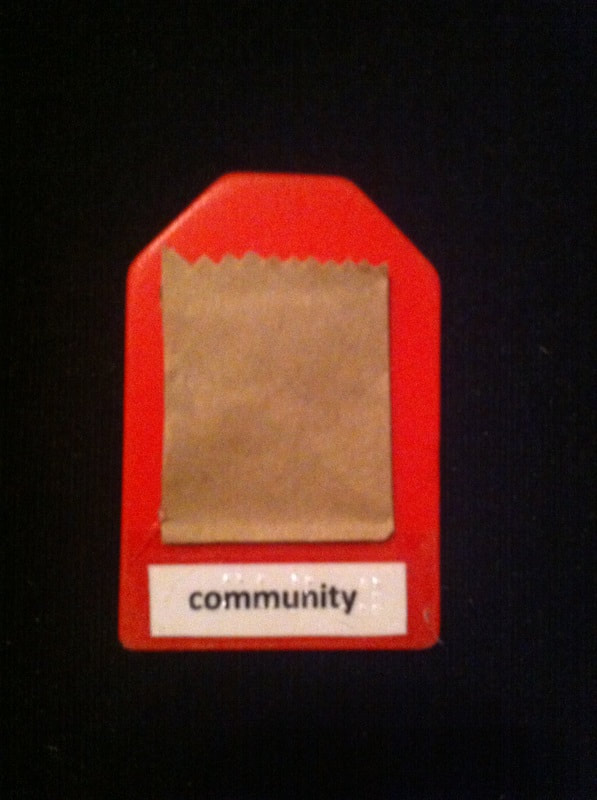
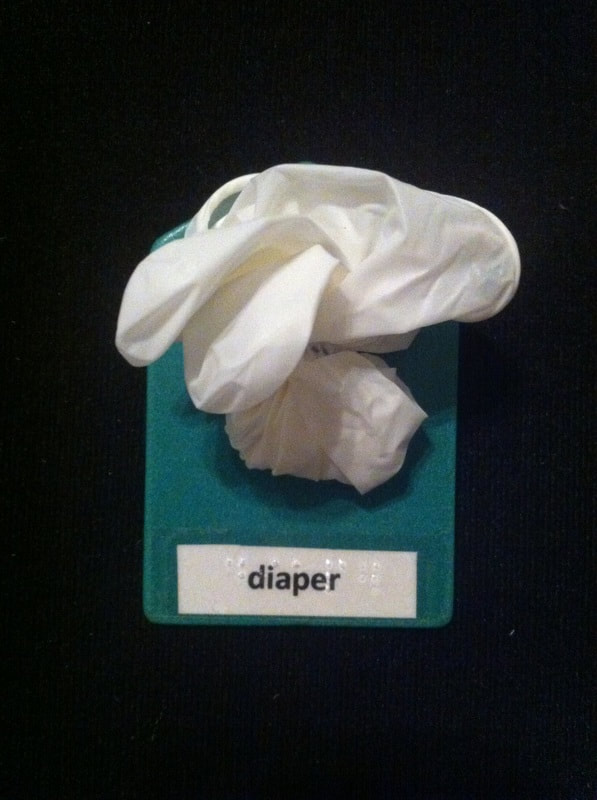
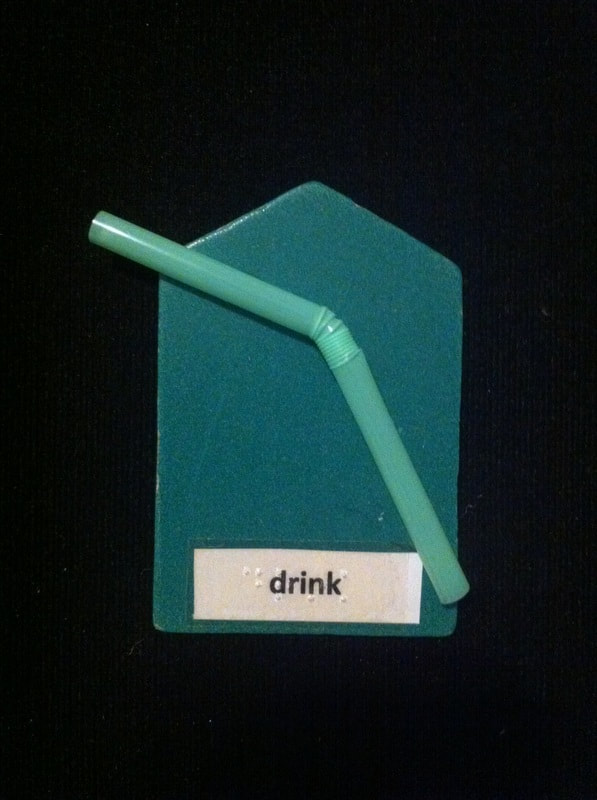
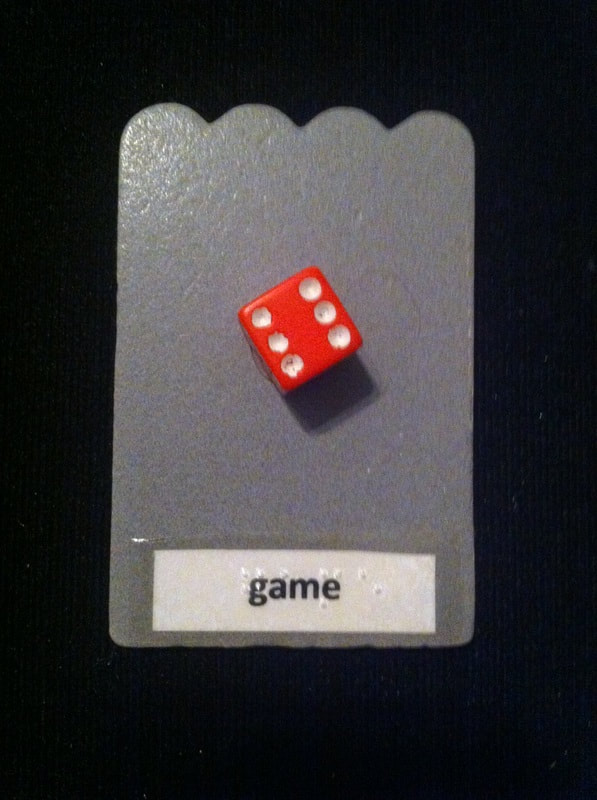
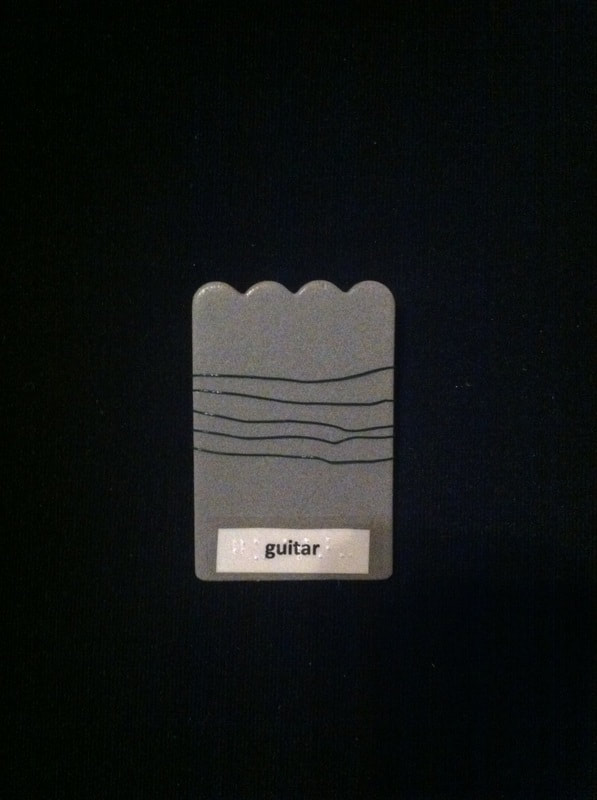
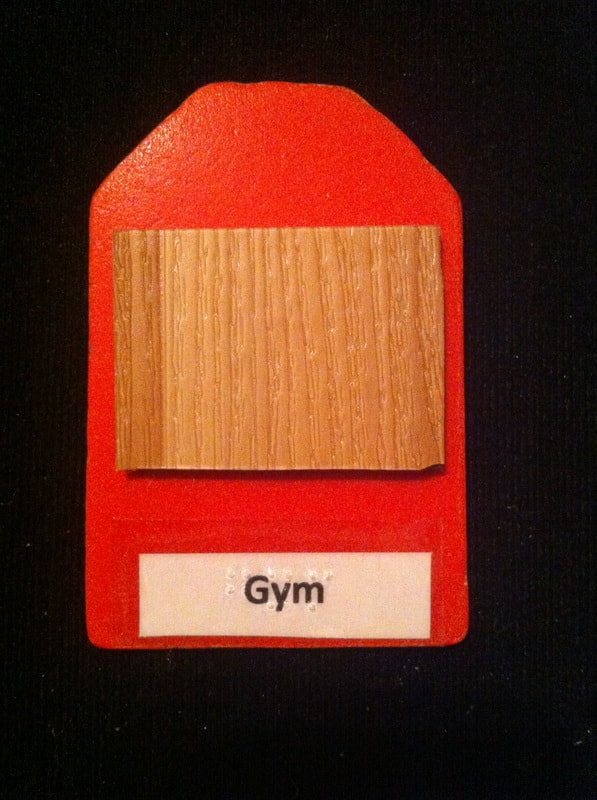
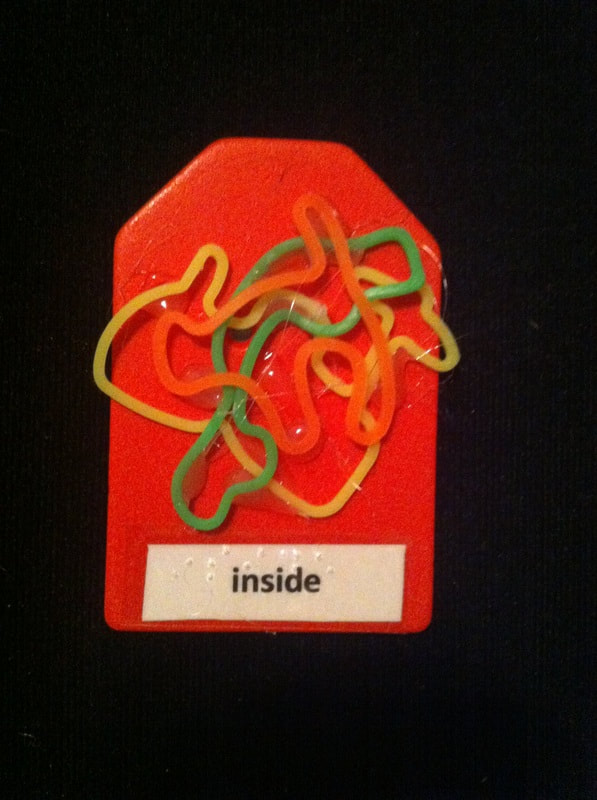
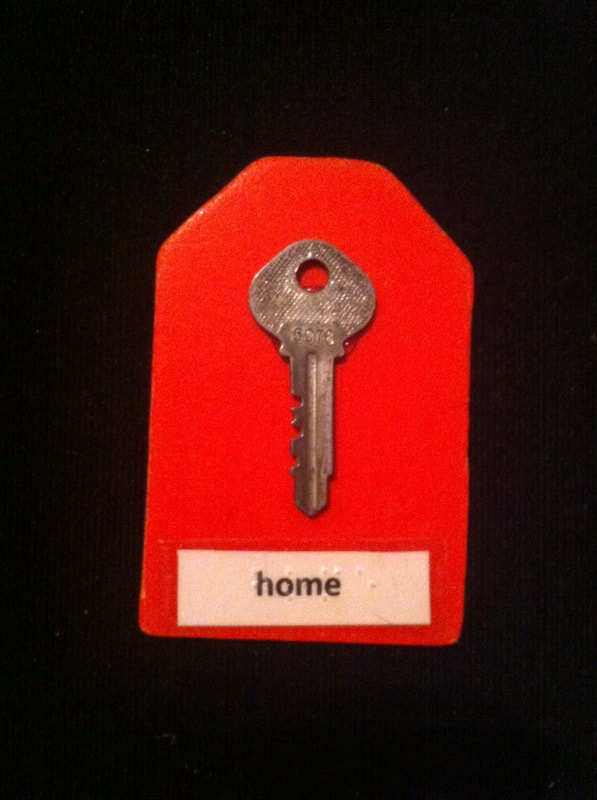
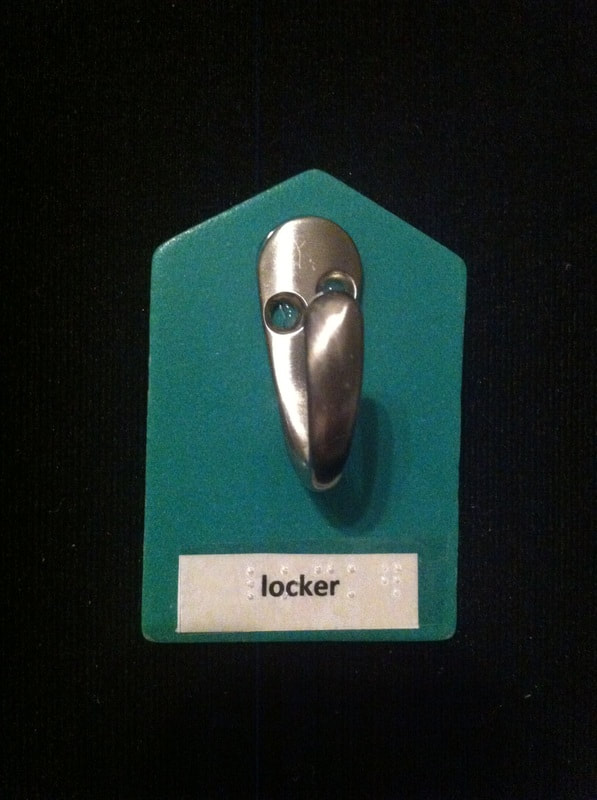
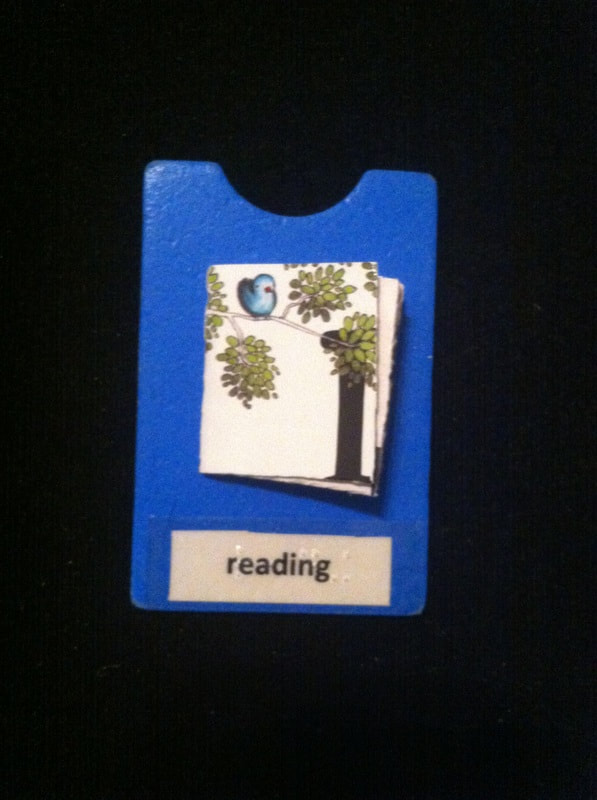
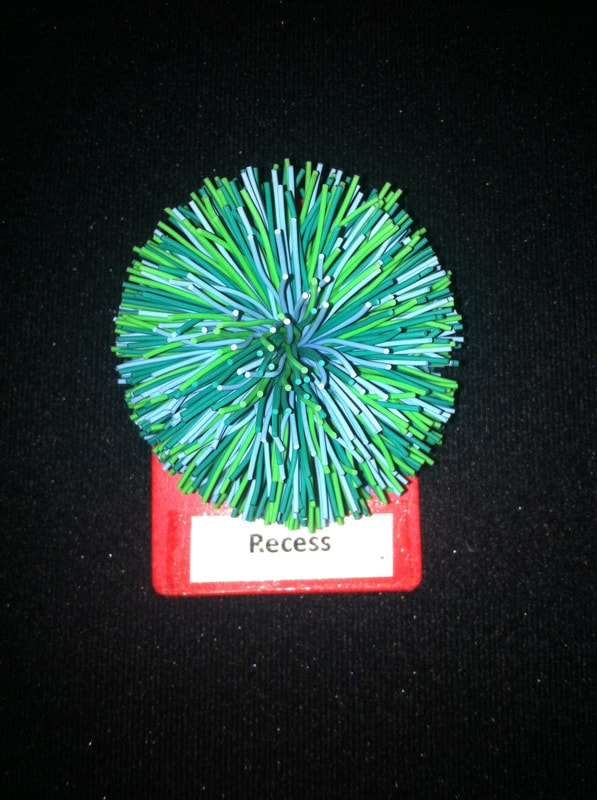
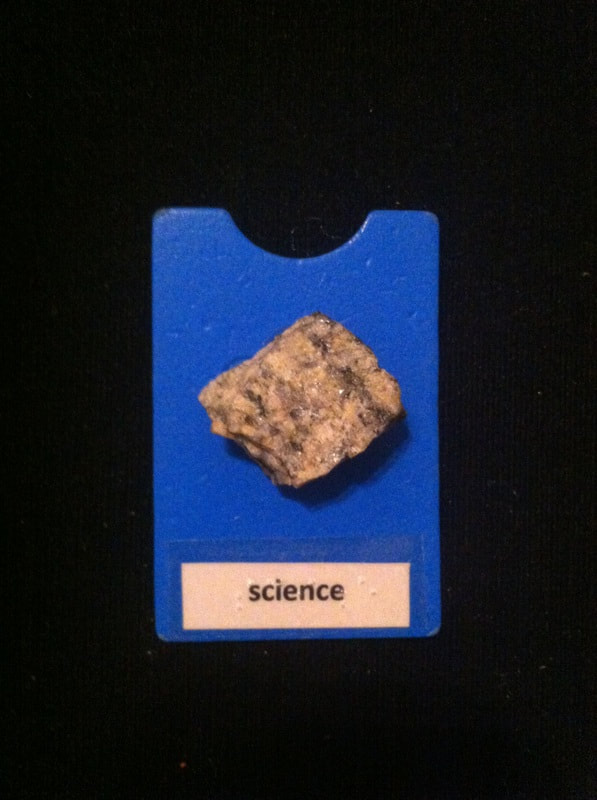
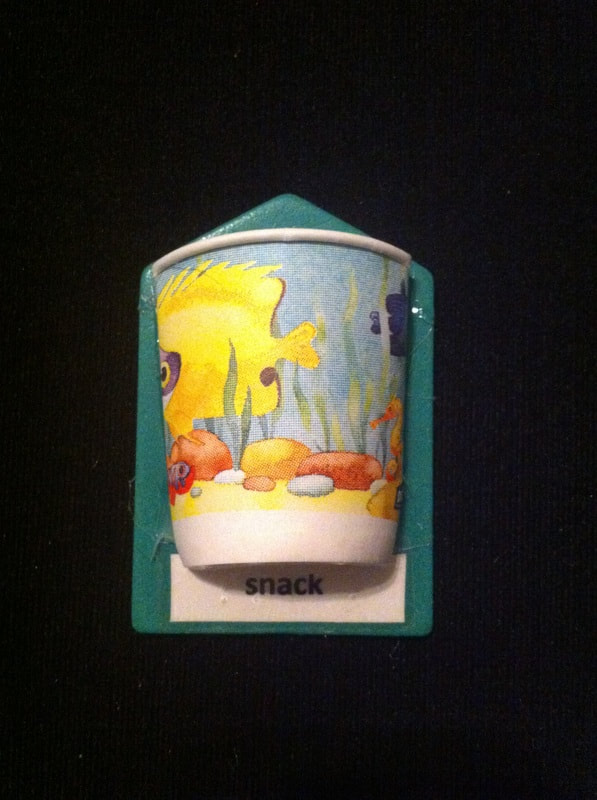
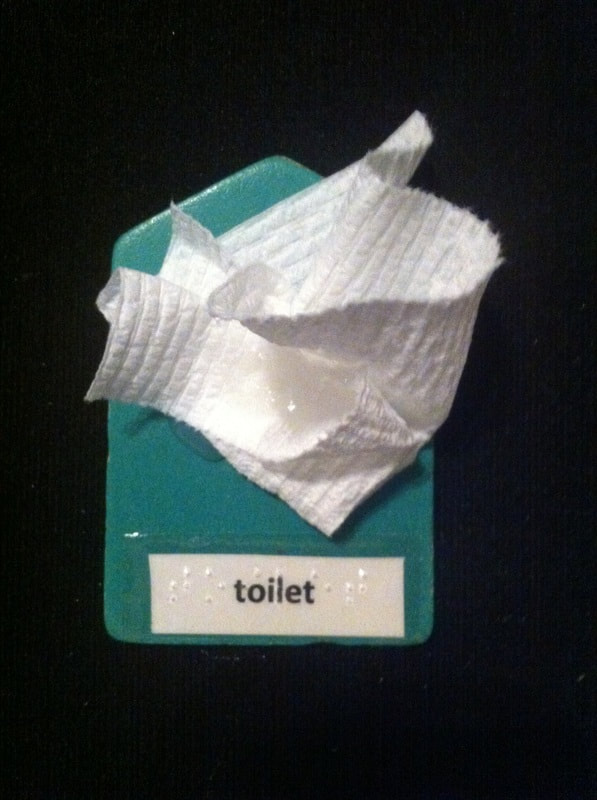
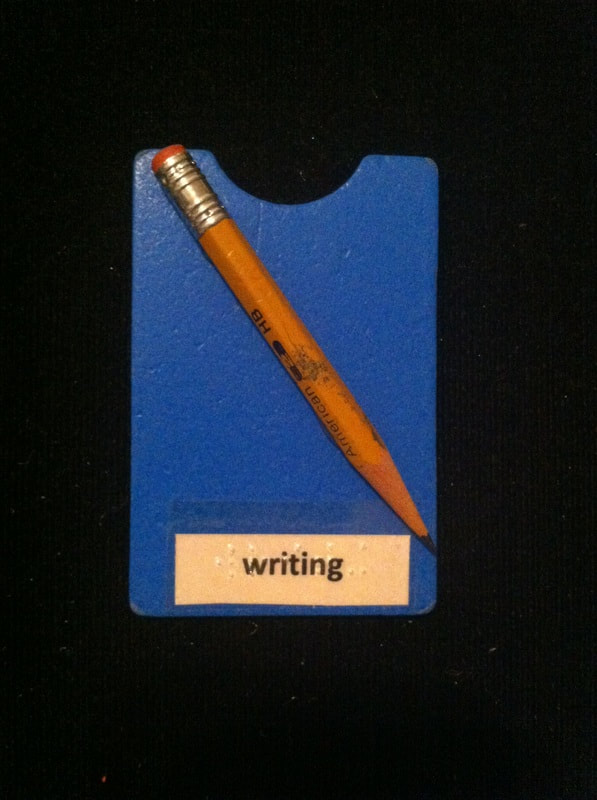
Schedule & Communication CardsI used the Tactile Connections Kit: Symbols for Communication from APH to create the following labels. I printed the labels in 18 pt font and printed on Avery address labels (two per label if using standard label size and cut in half to fit on the card - or purchase smaller labels). I used the clear adhesive sheets to add the braille (I chose contracted braille). Finally, I selected an object to represent each activity. Please remember these are just some possibilities and you should select materials that make sense to your student.
Recommended Resources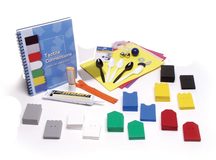
Tactile Connections Kit: Symbols for Communication. This kit, available from APH, helps teachers create a tactile card system that is individualized for students who are blind or visually impaired who have additional disabilities and/or lack a formal means of communication or literacy. Objects that can also be paired with words are mounted on hand-sized cards representing core vocabulary categories.
"If a child can't learn the way we teach, maybe we should teach the way they learn." ~ Ignacio 'Nacho' Estrada |
ECC InstructionThe ecc
teaching strategies
compensatory skills
Concept Development
Pre-Braille Braille Code
BraillewriterSlate & StylusTactile Graphics
assistive technology
VI AT Printables Basic UseProblem Solve Braille NotetakeriOS/Tablet
Windows KeystrokesWord ProcessingProductive Online VI AT Resources social skills
Social Skill Needs Non-Verbal SkillsCommunicateCooperativeIdentityInteractions Self determination
Self Determination Skills
sensory efficiency
Sensory Input Sensory Areas & Rooms Auditory ReadinessVisual Efficiency Skills
Independent Living
Eating & Table Manners
Orientation & Mobility
Recreation & Leisure
career & vocational
|


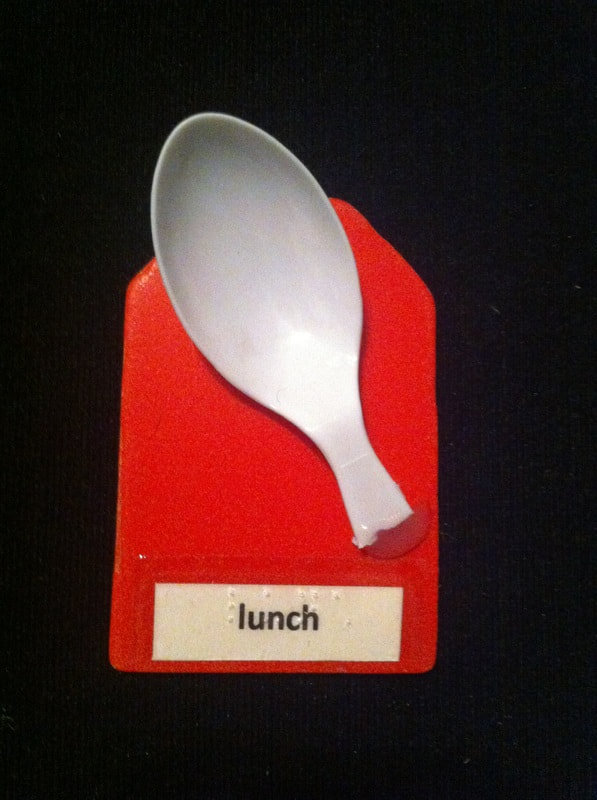

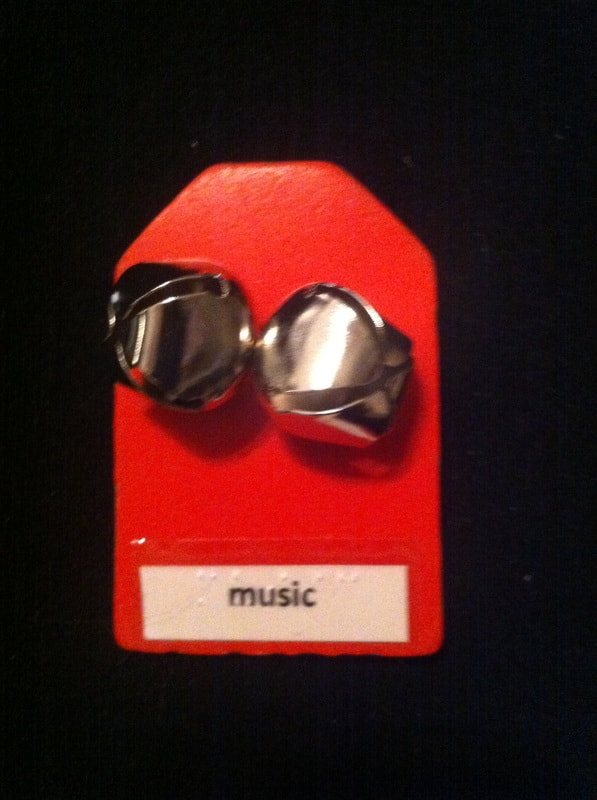

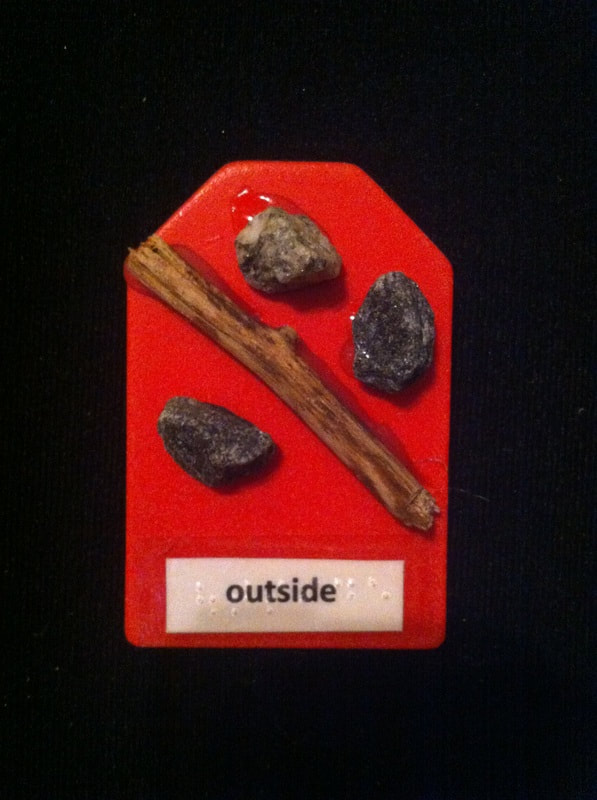
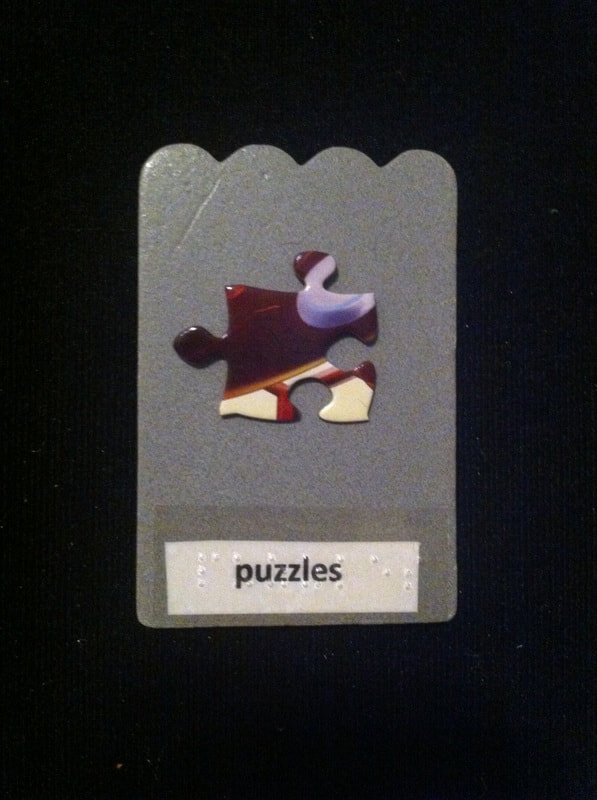
|
Teaching Students with Visual Impairments LLC
All Rights Reserved 
|